Shepherds Bush flat moves tips for West London removals
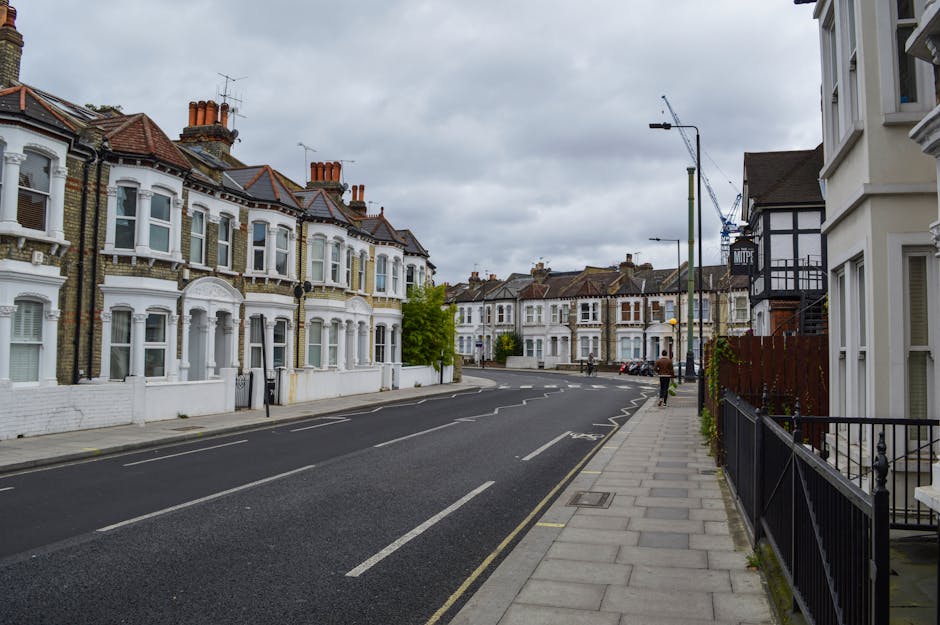
Moving out of a flat in Shepherds Bush can feel straightforward right up until the first box hits the hallway. Then the reality of stairwells, parking pressure, tight front doors and a hundred little decisions shows up all at once. If you are looking for Shepherds Bush flat moves tips for West London removals, this guide is built to help you plan properly, avoid expensive mistakes, and keep moving day calm enough to think straight.
West London moves are rarely about just carrying furniture from A to B. They are about timing, access, building rules, lift bookings, narrow streets, neighbours, and making sure your belongings arrive in one piece. Let's face it, a flat move in Shepherds Bush is often as much logistics as it is lifting. The good news? With a sensible plan, a few local-minded choices, and the right support from a removal company or a flexible man with van service, it becomes much more manageable.
Below, you will find a practical, human guide to planning, packing, loading, and settling a Shepherds Bush flat move without turning the day into a scramble. There is a checklist, a comparison table, and some plain-English guidance on what actually matters on the day.
- Why Shepherds Bush flat moves matter
- How a flat move works in practice
- Key benefits of a well-planned move
- Who this is for
- Step-by-step guidance
- Expert tips
- Common mistakes to avoid
- Tools, resources and recommendations
- Law, compliance and best practice
- Options and comparison table
- Case study example
- Practical checklist
- Conclusion
- Frequently asked questions
Why Shepherds Bush flat moves tips for West London removals Matters
Shepherds Bush is one of those places where moving well depends on details that people outside London sometimes underestimate. Flats may be above shops, on older terraces, in mansion blocks, or inside modern developments with their own rules. Each type of property changes the moving plan. A sofa that looks simple in the living room can become awkward the moment it meets a turn in the stairwell. A van that seems fine in theory can be too large for the street at the wrong time. That is why localised, practical advice matters.
In West London, time is often the hidden cost. If access is poor, the job takes longer. If parking is not thought through, the team may need to walk further with every box. If you forget to check lift times or loading restrictions, the whole day can slip. And when that happens, tiredness starts to make the decisions for you, which is never ideal.
These tips matter because they help you protect three things at once: your budget, your belongings, and your sanity. That sounds dramatic, but moving day has a funny way of magnifying small errors. A box without a label, a missing screw bag, or a blocked entrance can suddenly feel huge. A little preparation avoids a lot of faff.
Expert summary: A successful Shepherds Bush flat move is usually less about brute force and more about access planning, sensible packing, and choosing the right vehicle and crew size for the property.
If you are comparing support options, it may help to look at the wider range of removal services available, especially if you need packing, furniture handling, or a solution that fits a compact London street.
How Shepherds Bush flat moves tips for West London removals Works
At a practical level, a flat move works best when you break it into stages: pre-move planning, packing, access checks, loading, transport, and unloading. That is the basic shape of it. The finer detail changes depending on whether you are moving from a top-floor flat with stairs, a ground-floor apartment with limited parking, or a building that requires advance notice for removals.
First, assess the property properly. Measure larger items. Check if wardrobes, beds, and tables can be dismantled. Look at hallway width, staircase bends, lift dimensions, and any shared entrances. Then think about the street outside. Is there room for a van to wait? Are there yellow lines, single yellows, or busy school-run periods nearby? Shepherds Bush can be lively, and the road outside can make or break the schedule.
Second, decide what kind of support you need. For smaller loads, a compact vehicle and a couple of strong hands may be enough. For a full flat with furniture, boxes, and white goods, a larger team and a more suitable vehicle may save time overall. If you are unsure, speak to a provider such as man and van removals or look into a more complete home moves option for added support.
Third, sequence the move. Good sequencing means the first items loaded are not the last items you will need at the other end. Keep essentials separate, protect fragile items, and avoid mixing keys, documents, chargers, and kettle supplies in random boxes. Honestly, people do this all the time and then spend the first night hunting for a toothpaste tube. Not glamorous, but very real.
Key Benefits and Practical Advantages
There are obvious benefits to being organised, but the real value is more specific than "less stress". Here is what a well-planned Shepherds Bush flat move actually gives you:
- Faster loading and unloading because boxes are labelled and items are ready before the vehicle arrives.
- Lower risk of damage when fragile items are packed properly and furniture is protected.
- Better use of parking time because the route from flat to van has been thought through.
- Less physical strain since heavy items are handled with the right equipment and enough people.
- More predictable costs because delays, extra trips, and avoidable waiting are reduced.
There is also a quieter benefit people overlook: a smoother move helps you settle into the new place quicker. You are not living out of half-open boxes for three days or wondering where the frying pan went. The day feels contained. Managed. That counts for a lot.
For many households, using a properly insured and transparent provider matters too. If you want reassurance on protection and responsibility, take a look at the site's insurance and safety information and the broader health and safety policy before booking.
Who This Is For and When It Makes Sense
This guide is for anyone moving from a flat in Shepherds Bush or nearby parts of West London, but especially for people dealing with one or more of these situations:
- you live in a first-floor or top-floor flat with stairs and no lift
- your building has narrow corridors or awkward corners
- you need to move on a weekday with limited access windows
- you have a mixture of boxes, furniture, and fragile household items
- you are on a tight timeline between tenancy dates
- you want a move that is cost-conscious without being chaotic
It also makes sense for renters who need to leave the property clean and on time, as well as owners moving into a new flat who want to get furniture in without a last-minute panic. If you are relocating a small flat and do not need a full crew, a man with a van can be a practical middle ground. If your move is bigger or includes more delicate items, a more complete service may be better.
And if you are comparing different providers, you may also want to read up on the company background via about us. A bit of trust goes a long way when strangers are handling your sofa, TV, and the box full of "miscellaneous cables".
Step-by-Step Guidance
1. Start with a realistic inventory
Write down what is actually moving. Not just the big furniture, but boxes, lamps, kitchen items, mirrors, bike parts, and anything odd-shaped. A proper list helps you estimate vehicle size, packing time, and whether you need help dismantling items. It also stops the classic mistake of forgetting the things in storage cupboards.
2. Measure the awkward bits
Measure doorways, stair turns, lift interiors, and any furniture that might need tilting. If a wardrobe will not fit through a hallway bend, know that before moving day. You do not want to discover it with two people sweating on a landing at 8:30 in the morning.
3. Declutter before packing
Flat moves are the ideal moment to cut the dead weight. Old books, duplicate kitchen gadgets, broken furniture, worn-out rugs - this is your chance. A lighter move costs less in time and effort. If you have furniture that is no longer worth relocating, a service like furniture pick up can be a sensible way to deal with it.
4. Pack room by room
Packing room by room is slower for about the first 20 minutes and then much faster overall. It keeps similar items together and makes unpacking much easier. Label each box with the room name and a brief note on the contents. "Kitchen - mugs and plates" is much better than "misc."
5. Prepare an essentials bag
Keep documents, keys, medication, chargers, snacks, toiletries, tea bags, and a change of clothes with you. This is not overcautious. It is practical. When the kettle is buried in a stack of boxes and you are tired, you will be glad you planned ahead.
6. Confirm access and timing
Check the move-out and move-in times, any lift bookings, and whether the building needs advance notice. Confirm the best place for the vehicle to stop. A quick conversation with the building manager or landlord can save you a messy morning.
7. Load in the right order
Load heavier furniture first, then sturdy boxes, then fragile or awkward items. Keep essentials near the back or top so they can be unloaded quickly. The order matters more than most people realise.
8. Do a final sweep
Before you leave, open cupboards, check sockets, look under beds, and inspect windowsills and bathrooms. Small things disappear in plain sight. Then shut the door properly and take a breath. That bit matters too.
Expert Tips for Better Results
Here are the sort of tips that come from actual moving experience, not just theory.
- Book earlier than you think you need to. West London schedules can tighten fast, especially around month-end and weekends.
- Choose the vehicle for the street, not just the load. A huge vehicle is not always helpful on a tight residential road.
- Use proper protective materials. Blankets, wrapping, and corner protection are worth it for furniture and mirrors.
- Disassemble where sensible. Flat-pack beds and bulky wardrobes are usually quicker to move in parts.
- Keep one person in charge. Too many instructions shouted at once creates confusion. Moving day already has enough noise.
- Protect communal areas. A little care with hallways and stairs helps avoid awkward conversations with neighbours or building managers.
A small but useful detail: put screws, bolts, and assembly parts into labelled bags and tape them to the relevant furniture item or store them in one clearly marked box. It sounds obvious. Then the Allen key goes missing. Every. Single. Time.
If packing is not your thing, or you simply do not have the hours, consider booking packing and unpacking services. It can take a lot of pressure off a busy week, especially if work and family life are already full on.
Common Mistakes to Avoid
Most moving stress comes from a few repeated mistakes. Avoid these and the day improves dramatically:
- Leaving packing to the night before. That usually leads to mixed boxes, poor labelling, and broken items.
- Underestimating access problems. A flat move in Shepherds Bush is not the place to guess about stair widths or parking.
- Using boxes that are too heavy. A box full of books becomes a back injury waiting to happen. Keep heavy items in smaller boxes.
- Forgetting building rules. If there is a lift booking slot or loading restriction, it matters more than you might think.
- Not preparing for the first night. Toothbrush, charger, bin bags, kettle items - simple, but easy to overlook.
- Ignoring insurance and liability questions. You should know what is covered before the move starts, not after something gets scuffed.
Another common one: people try to save money by making the vehicle too small. Then they need multiple trips, and the "cheap" option becomes not so cheap. Bit annoying, really.
Tools, Resources and Recommendations
You do not need a complicated toolkit, but the right basics make life easier. The following are worth having to hand:
- strong cardboard boxes in a few sizes
- packing tape and a tape dispenser
- marker pens for clear labelling
- bubble wrap or similar cushioning for breakables
- furniture blankets or covers
- zip bags for screws, plugs, and small fittings
- basic tools for dismantling beds, shelves, or tables
- a printed list of what is loaded and what is staying with you
On the service side, it is worth understanding the differences between a few options. If you need help moving a relatively modest flat load, man and van style support can be a good fit. If you want a broader home relocation approach, house removals and house movers are worth considering, even for some flat moves where furniture and access are more complex than they first appear.
If you are comparing options, take a look at the company's pricing and quotes information so you understand how the booking process works. Clear pricing is one of those things you do not appreciate fully until you are on your third move and suddenly very interested in the small print.
Law, Compliance, Standards, or Best Practice
For most flat moves, the big compliance concerns are practical rather than legal drama. Still, they matter. In London, you should pay attention to parking restrictions, local access rules, building management requirements, and any instructions about using loading bays or lifts. These are not just admin details; they shape the whole move.
Good moving practice also means protecting people as well as property. Safe lifting, sensible load distribution, clear walkways, and not rushing stairs with oversized items are all basic standards that should never be treated as optional. If something feels too heavy or awkward, it probably is.
It is also wise to check the mover's terms, insurance, and payment process before the day. The site's payment and security page and terms and conditions can help you understand what to expect. If you care about responsible disposal of unwanted items, the recycling and sustainability page is also useful reading.
Best practice is simple: plan access, confirm responsibility, protect the items, and keep communication clear. If a mover offers to rush through that without details, pause. Proper removals work because the basics are handled carefully, not because everyone hopes for the best.
Options, Methods, or Comparison Table
Different flat moves need different levels of support. This table gives a quick, practical comparison.
| Option | Best for | Strengths | Watch-outs |
|---|---|---|---|
| DIY with friends | Very small moves with light furniture | Low direct cost, flexible timing | High physical effort, higher risk of delay or damage |
| Man and van | Studio or one-bedroom flat moves | Flexible, practical, good for shorter London moves | May be tight for larger furniture or lots of boxes |
| Full removals team | Larger flats, heavy furniture, complex access | More efficient, usually less stressful, better for awkward items | Typically more expensive than a small vehicle-only option |
| Packing plus move | Busy households or time-poor movers | Saves time, better organisation, often better protection | Needs early booking and clear instructions |
As a rule of thumb, the more stairs, furniture, and timing pressure you have, the more value you get from a fuller service. For a neat, simple flat with straightforward access, a lighter solution may be enough. That judgment call really matters.
Case Study or Real-World Example
Here is a realistic Shepherds Bush scenario. A renter moves out of a second-floor flat on a Friday morning. The property has a narrow stairwell, a bed frame that needs dismantling, and several medium boxes filled with kitchen items, books, and clothes. The street has limited stopping space, and the tenant needs to hand the keys back by late afternoon.
The first version of the plan was honestly a bit messy: pack on Thursday night, find parking on the day, and hope the wardrobe fits through the stairs. That kind of hope has a shelf life of about two minutes.
The improved plan was much calmer:
- packing started three days earlier, room by room
- non-essential items were sorted for recycling or disposal
- the bed frame and table were dismantled in advance
- the mover was briefed on access and loading timing
- an essentials bag was kept aside for the first night
What changed? Not magic. Just fewer surprises. The move was still a proper London move - a bit of stair work, some careful carrying, the sound of boxes being set down on a hallway mat - but it stayed orderly. That is usually the difference between a day that feels like a disaster and one that feels merely tiring.
Practical Checklist
Use this as a final walk-through before moving day:
- inventory completed and large items measured
- parking and access checked for both addresses
- building rules, lift bookings, and move-in windows confirmed
- fragile items wrapped and clearly marked
- furniture dismantled where necessary
- essentials bag prepared
- keys, documents, and chargers packed separately
- old or unwanted items sorted out
- floor protection and doorway care considered
- payment details and booking confirmation reviewed
- final meter readings or handover tasks noted
- someone knows where you will be at each stage
If you want help with the booking journey, you can also review removals near me to understand the local service options available, especially if you are comparing quotes or trying to decide what level of support makes sense for your flat.
Get a free quote today and see how much you can save.
Conclusion
A Shepherds Bush flat move does not have to feel frantic. When you plan around access, timing, packing, and the realities of West London streets, the whole thing becomes more manageable. The best Shepherds Bush flat moves tips for West London removals are the unglamorous ones: measure properly, label clearly, keep essentials close, and choose a moving option that fits the property instead of forcing the property to fit the move.
That approach saves time, reduces stress, and gives you a much better first day in your new place. And frankly, after a move, a quiet cup of tea in an unpacked kitchen feels like a small victory. A proper one.
When you are ready, compare your options carefully, ask sensible questions, and go with the setup that feels organised rather than rushed. A steady move is usually a better move.
Frequently Asked Questions
What is the best way to move a flat in Shepherds Bush?
The best approach is usually to plan around access, packing, and vehicle size first. For smaller flats, a man and van arrangement may be enough. For heavier or more complex moves, a fuller removals service is often the better fit.
How far in advance should I book West London removals?
As early as you reasonably can. Busy dates, month-end moves, and weekend slots tend to fill quickly. Even if your date is not fixed yet, it helps to start speaking to movers early so you have options.
Do I need to dismantle furniture before the move?
Not always, but it often helps. Beds, some wardrobes, and larger tables are usually easier and safer to move in parts. If you are not sure, ask the mover what should be dismantled in advance.
How do I know whether I need a man with a van or a full removals team?
Think about the amount of furniture, the number of boxes, and how awkward the access is. A small one-bedroom flat may suit a man with a van. If stairs, time pressure, or bulkier items are involved, a larger team may be worth it.
What should I keep with me on moving day?
Keep keys, documents, medication, chargers, a change of clothes, toiletries, snacks, and any valuables you do not want packed away. Also keep kettle essentials close if you value a decent cup of tea after the last box. Which, to be fair, most people do.
How can I reduce the cost of moving a flat?
Declutter before the move, pack early, label clearly, and avoid last-minute chaos that can extend the job. Choosing the right size service also matters; paying for more than you need, or too little and then needing extra trips, is where costs drift.
Is parking a big issue for Shepherds Bush moves?
It can be. West London streets are often busy, and stopping space may be limited. Always check parking and access before the day so the vehicle can load efficiently and the move does not stall at the kerb.
Should I book packing services as well as removals?
If you are short on time, packing services can be a real lifesaver. They are especially useful for busy households, fragile items, or people who simply do not want to spend several evenings surrounded by boxes.
What happens if my flat has narrow stairs or no lift?
That is common in London, and it just means the move needs better planning. Measure the spaces, identify awkward items, and let the mover know in advance so they can bring the right crew and equipment.
How do I make sure my belongings are protected?
Use proper packing materials, wrap fragile items well, and choose a mover whose insurance and safety approach you understand. It is sensible to review service terms before booking so there are no surprises later.
What should I do with furniture I do not want to take?
Sort it out before moving day if you can. Unwanted furniture can slow things down and clutter the route. A furniture pick-up service may be a practical way to remove items you are not keeping.
Can I move after work, or does it need to be daytime?
That depends on the property, access rules, and the mover's availability. Daytime moves are usually easier because loading, parking, and building access are simpler, but always confirm what fits your situation.