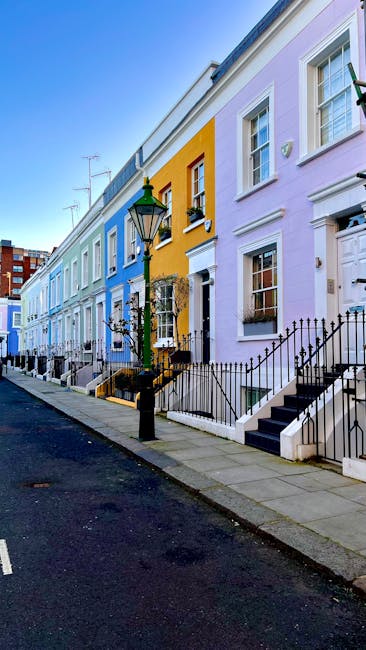
West London removals guide for Notting Hill narrow streets
Moving house or office in Notting Hill can feel straightforward on paper, then suddenly a white van, a parked scooter, and a row of tall Georgian railings turn the whole day into a puzzle. This West London removals guide for Notting Hill narrow streets is here to make that puzzle a lot less stressful. If you are dealing with tight roads, limited loading space, awkward staircases, or a building that seems to have been designed before furniture existed, the right plan matters more than brute force.
In practice, the best moves in this part of West London are the ones that respect the street, the schedule, and the building rules. A good removal plan reduces delays, protects your belongings, and keeps everybody calmer. Simple enough to say. Harder to do on moving day. Let's fix that.
Table of Contents
- Why narrow-street removals in Notting Hill matter
- How the move works in real life
- Benefits and practical advantages
- Who this guide is for
- Step-by-step moving guidance
- Expert tips for better results
- Common mistakes to avoid
- Tools, resources and recommendations
- Law, compliance and best practice
- Options and comparison table
- Case study or real-world example
- Practical checklist
- Conclusion
- Frequently asked questions
Why West London removals guide for Notting Hill narrow streets Matters
Notting Hill is one of those places where the charm is real, but so are the logistics. Streets can be narrow, parking can be limited, and access to front doors is often less generous than people expect. If you turn up with the wrong vehicle or a loose plan, you can lose time fast. And in removals, time is not just money; it is also patience, energy, and sometimes a neighbour's goodwill.
Narrow streets create a few specific problems. First, larger vehicles may struggle to position safely without blocking traffic. Second, it can be harder to load and unload without a clear bay or close kerbside access. Third, properties may have basement flats, upper floors, internal courtyards, or long carries from vehicle to doorway. That extra distance sounds minor until you are on box number twenty-three.
This is why a local-aware approach matters. A move that would be easy on a wider residential road can become tricky in Notting Hill if the crew has not planned for access, timing, or the building layout. In our experience, the difference between a smooth day and a chaotic one is usually made before the van even arrives.
Expert summary: For narrow streets, the real job is not just moving items. It is managing access, timing, vehicle size, packing discipline, and communication so the move flows without unnecessary stops and starts.
How West London removals guide for Notting Hill narrow streets Works
The process starts before moving day. A proper removal plan for a tight West London street usually begins with an access review: what the road is like, where the vehicle can safely stop, how far the carry is, whether the building has stairs or a lift, and whether anything bulky may need to come apart. Nothing glamorous. Very useful, though.
For a home move, the work often involves a team arriving with the right size vehicle, protective covers, trolleys, straps, and packing materials. If the route to the property is tight, a smaller vehicle or a shuttle-style approach may be more practical than one large lorry. For some jobs, a man and van setup is ideal. For larger homes, a fuller removal service may make more sense, especially when there are multiple rooms, fragile items, or a lot of furniture.
Office and commercial moves work in much the same way, except the timing becomes even more important. Staff access, building management, and business continuity all need to line up. If the premises are awkward, the team may need a staged loading plan rather than a straight in-and-out job. That is where a service like office removals can make the difference between an organised relocation and a day of people standing around wondering where the monitor cables went.
On the day itself, the crew should protect doorways, lift bulky pieces with care, and keep the route clear. Good removals are usually calm, almost boring to watch. That is a compliment. Nobody wants drama when a wardrobe is being carried down a narrow stairwell.
Key Benefits and Practical Advantages
Using a removal plan designed for Notting Hill's narrow streets gives you more than convenience. It helps protect your items, reduces pressure on the building, and makes timing more predictable. That predictability is worth a lot when parking is tight and the street is busy.
- Less risk of vehicle access problems: the crew can choose a vehicle that actually fits the street and the loading conditions.
- Better protection for furniture: short, planned carries are safer than rushed lifts from poor positions.
- Fewer delays: fewer u-turns, fewer blocked bays, fewer "where can we stop?" moments.
- Smoother coordination with neighbours and building managers: especially useful in terraces, mansion blocks, and converted flats.
- More efficient packing: the right boxes, labels, and load order save time once the van is parked.
There is also a quieter benefit that people often overlook: emotional relief. When you know the access has been thought through, you stop imagining worst-case scenarios. The move feels manageable again. That matters more than people admit.
If you are comparing providers, it is sensible to look at more than price alone. A well-structured removal company should be able to explain how they handle restricted access, item protection, and timing. If they cannot talk clearly about those things, that is a sign to slow down.
Who This Is For and When It Makes Sense
This guide is for anyone moving in or out of Notting Hill where the street is tight, parking is awkward, or the property is not a simple ground-floor handover. That covers quite a lot of people, to be fair.
- Flat movers dealing with stair-only access or shared entrances
- Families moving from townhouses or period conversions
- People relocating furniture into a basement flat
- Small offices moving between West London buildings
- Landlords, letting agents, or property managers coordinating clearances
- Anyone who needs a moving van that can work in constrained access conditions
It also makes sense if you are on a timeline. End-of-tenancy moves, exchange-day completions, or office handovers can leave little room for error. When there is a hard deadline, planning for the street layout is not optional. It is the move.
Sometimes a smaller, more flexible service is the right call. For example, if you are moving a studio flat with a few key pieces and boxes, a man with van style service can be efficient and easier to position in a narrow road. Bigger is not always better. That old truth shows up quickly in London.
Step-by-Step Guidance
1. Check the access from the street to the front door
Start with the basics. How far is the vehicle from the entrance? Are there steps? Is there a tight bend, gate, courtyard, or split-level entrance? If possible, walk the route with a critical eye. Imagine carrying a mattress or a fridge through it. That mental test is usually revealing.
2. Measure the large items
Measure beds, wardrobes, sofas, mirrors, and appliances before the day. The question is not just "will it fit in the van?" It is also "will it fit through the doorway, along the hallway, and around the landing corner?" A sofa that fits the vehicle can still get stuck at the top of the stairs. Annoying, but common.
3. Choose the right vehicle and crew size
For some Notting Hill streets, a smaller removal van or removals van is a better option than a larger truck. The key is access, not vanity. A slightly smaller vehicle that can park properly may be quicker than a big one that circles the block twice.
4. Book the timing carefully
Morning slots often make sense because streets can be marginally easier before the day gets busier. But the right time depends on your building rules, loading access, and the route. If lift access is shared, or if neighbours need to be informed, build in a buffer. A ten-minute delay in London can become half an hour very easily.
5. Pack in load order
Put the items you will need last at the front of the van plan, and the items you will need first near the back. Keep essentials in a separate bag: kettle, chargers, medication, toiletries, documents. You do not want to spend your first night hunting for toothpaste in a sea of labelled cardboard. Been there, regretted it.
6. Protect the property as well as the furniture
Doorframe covers, floor protection, blanket wrapping, and careful handling matter in narrow spaces. Tight hallways and stairwells can scratch walls quicker than people expect. Good movers take care not just with the objects being moved, but with the building itself.
7. Do a final sweep before departure
Check cupboards, wardrobes, loft spaces, balcony storage, and behind doors. Small items get missed on moving day because everyone's focus is on the big furniture. A final sweep prevents that awkward moment later when you realise the box of cables is still under the sink.
Expert Tips for Better Results
If you only take one thing from this guide, take this: in narrow-street removals, small decisions compound. The right box size, the right loading order, the right start time, the right vehicle. Each one saves a few minutes. Together they save the day.
- Use smaller boxes for books and heavy items. Overfilled boxes are harder to carry on stairs and more likely to split.
- Disassemble what you can. Bed frames, table legs, and shelving often move better in parts.
- Label by room and priority. "Kitchen - first night" is more useful than just "Kitchen".
- Keep pathways clear. A narrow hallway with shoes, bags, and a folded pram in it is not a help.
- Warn neighbours if needed. A bit of notice can avoid complaints and parking frustration.
- Use protective materials where needed. Old blankets are better than nothing, but professional wrapping is usually worth it for fragile or high-value pieces.
One small but important point: make sure the team handling your move understands the building layout, not just the postcode. The postcode gets you there. The layout gets the job done.
It is also worth checking whether your provider can support a more complete moving package. If you need help beyond transport, packing and unpacking services can save a surprising amount of time, especially if you are juggling work, children, or a same-day handover. Not fancy. Just practical.
Common Mistakes to Avoid
Most moving problems in Notting Hill are avoidable. They usually come from underestimating access, overpacking, or assuming the street will "probably be fine." Probably is not a strategy.
- Choosing a van that is too large for the street and then losing time repositioning it.
- Forgetting to measure awkward furniture before the day.
- Not checking building restrictions such as lift booking, loading rules, or access hours.
- Packing fragile items loosely and hoping for the best.
- Leaving essential items in the van when you need them that evening.
- Assuming every mover handles narrow streets the same way. They do not.
The biggest error, honestly, is treating the street like a minor detail. In a wide suburban driveway, maybe you can get away with that. In Notting Hill? Not really. The environment is part of the job.
Tools, Resources and Recommendations
You do not need a warehouse of equipment to move well. But a few tools make narrow-street removals much easier.
- Furniture blankets and straps for protecting and securing items in transit
- Sturdy boxes in mixed sizes rather than one-size-fits-all packing
- Labels and a marker pen for room-by-room sorting
- Floor protectors or coverings where stairwells or communal halls are vulnerable
- Trolleys or dollies for heavier items, where access allows
- Basic tool kit for disassembly and reassembly
On the service side, it can help to compare options before you book. A service like removals near me is often the kind of search people make when they want something local, responsive, and practical. If you are shifting smaller loads or a few key items, some people prefer a lighter-touch man and van removals approach. If it is a full family move, a fuller team may be better.
For pricing, use a provider that can explain what affects the quote. Access, carrying distance, number of floors, packing help, and vehicle size all matter. If you want a clearer starting point, it is sensible to review pricing and quotes before making a decision. Straight answers are underrated.
Law, Compliance, Standards, or Best Practice
Moving home or business in London does not usually mean navigating heavy regulation as a customer, but there are still practical compliance points worth paying attention to. Building rules, parking restrictions, and safe lifting practices matter. If a building manager requires booking windows or lift protection, follow those instructions early rather than on the morning of the move. It saves hassle for everyone.
For removals businesses, good practice also means carrying appropriate insurance, handling items safely, and being clear about terms and conditions. Customers should know what is covered, what is excluded, and what their responsibilities are. That transparency matters when something fragile, expensive, or awkward is involved. A service that explains its insurance and safety approach is usually being sensible rather than over-selling.
There is also the basic duty to move in a way that avoids damage and injury. That sounds obvious, but the reality of a tight stairwell can test anyone's judgement. Good movers slow down when needed. That is not inefficiency. It is professionalism.
For customers who care about responsible disposal, it is useful to ask about reuse and recycling. If you have items that no longer need to be moved, services like furniture pick up can sometimes help with unwanted pieces, while a provider's recycling and sustainability approach can show how they handle disposal more responsibly.
Options, Methods, or Comparison Table
There is no single best removal method for every Notting Hill move. It depends on access, volume, timing, and how much packing support you want. Here is a simple comparison.
| Option | Best for | Strengths | Trade-offs |
|---|---|---|---|
| Man and van | Small flats, lighter loads, short local moves | Flexible, easier on narrow streets, often quicker to position | Limited capacity for larger homes or bulky furniture |
| Full removals team | Family homes, multi-room moves, furniture-heavy jobs | More manpower, better for stairs and heavy items | May need more planning for vehicle access |
| Smaller removal van | Restricted access roads, basement flats, urban loading constraints | Practical in tight streets, easier parking | May need multiple trips if the move is large |
| Office relocation service | Businesses, studios, agencies, small offices | Good for coordination and business continuity | Needs tighter scheduling and document control |
For heavier or larger jobs, some people ask whether a moving truck is automatically the better choice. Sometimes yes. Sometimes not. In a tight Notting Hill road, the biggest truck is not always the smartest option. Access beats ambition every time.
Case Study or Real-World Example
Here is a realistic move scenario, not a glossy made-up one. A couple moved from a top-floor flat in Notting Hill with a narrow stairwell, a small front entrance, and limited roadside stopping space. They had a sofa, a double bed, a dining table, several boxes of books, and a few fragile lamps. Nothing outrageous. But enough to make the day awkward if unmanaged.
Instead of booking a large vehicle, they chose a smaller setup and pre-packed by room. The sofa and bed frame were partly dismantled the night before. The movers arrived early, with coverings for the hallway and enough hands to manage the stair carry without rushing. One person coordinated the keys and room labels while the others focused on moving pieces in order.
The outcome was pretty simple: no long stand-offs in the road, no frantic repacking on the pavement, and no damage to the communal walls. There were still a few sweaty moments, naturally. It was moving day, after all. But the job stayed orderly, and the couple could actually relax by the afternoon.
That is the point. A well-planned move in a tight West London street does not need to be dramatic to be successful.
Practical Checklist
Use this checklist before moving day. It is the kind of list that saves you from silly stress later.
- Confirm the moving date and access times
- Check whether parking or loading space is available
- Measure large furniture and doorways
- Ask about stair access, lifts, and any building restrictions
- Decide whether you need packing help
- Label boxes by room and priority
- Pack an essentials bag for the first 24 hours
- Disassemble furniture that can be safely taken apart
- Protect fragile items with proper wrapping
- Keep keys, documents, and chargers separate
- Tell neighbours if the move may affect access
- Check insurance, terms, and safety information before you book
If you are still deciding who to use, it can help to review the provider's general approach to removal services and their broader removals offering. That gives you a better feel for whether they can handle the real-world details, not just the headline service.
Conclusion
Moving in Notting Hill does not have to be stressful just because the streets are narrow. Once you factor in access, vehicle size, packing order, and the building layout, the whole job becomes much more manageable. The trick is to plan for the street you have, not the street you wish you had.
Whether you are relocating a flat, a townhouse, or a small business, the right removal setup should make the day feel organised, safe, and controlled. That is the real goal. Not perfection. Just a move that gets done properly, with less fuss and fewer surprises.
Get a free quote today and see how much you can save.
And if you are at the slightly tired stage where everything seems like too many boxes and too many decisions, take a breath. A careful plan changes everything, honestly. One good move at a time.
Frequently Asked Questions
What is the biggest challenge with removals in Notting Hill narrow streets?
The main challenge is access. Tight roads, limited parking, and awkward loading positions can slow the move down if the vehicle size or timing is not planned properly.
Should I choose a van or a larger removal truck for a Notting Hill move?
It depends on the property and street layout. A van is often better for restricted access, while a larger truck may suit bigger loads if the road and loading space can handle it safely.
How far in advance should I book a removal service?
As early as you can, especially if your move is tied to a completion date, tenancy deadline, or building access window. Narrow-street moves need a bit more coordination than average.
Do I need to dismantle furniture before the movers arrive?
Not always, but it helps with bulky pieces like beds, table legs, and shelving. Smaller parts are usually easier to carry through tight entrances and stairwells.
What should I tell the removals team before moving day?
Share access details, stair count, lift availability, parking restrictions, and any large or fragile items. The more they know, the better they can plan the job.
Is a man and van service enough for a flat move in Notting Hill?
It can be, especially for smaller flats or lighter loads. If you have many boxes, heavy furniture, or multiple floors, you may need a larger setup.
How do I avoid damage in narrow hallways and staircases?
Use proper packing, protect the building with coverings where needed, and make sure the crew takes time on corners and turns. Rushing is usually what causes trouble.
Can packing and unpacking support help with a West London move?
Yes. It is especially useful if you are short on time or want the move to feel more structured. It also helps reduce confusion on arrival day.
What if the van cannot stop directly outside my property?
That is common in London. The key is to plan for a longer carry and choose a vehicle and crew size that can handle it without creating delays or safety issues.
How do I know if a removals company is trustworthy?
Look for clear explanations about safety, insurance, pricing, and what is included. A reliable provider should be able to talk through access issues without sounding vague or rushed.
Can removals also include unwanted furniture collection?
In some cases, yes. If you need to remove items that are not coming with you, check whether furniture pick-up or similar support is available as part of the wider move.
What is the best first step if I am moving soon in Notting Hill?
Start with access. Measure key furniture, check the street and building layout, and decide what size vehicle or level of support you actually need. That one step clarifies a lot very quickly.